by Andi Noor Faradiba Syarifin, S.Psi., S.Hum., M.A.
On 17 November 2025, UN Security Council Resolution 2803 secured the establishment of the Board of Peace (BoP), led by the United States.
We all know how “useful”—sarcastically—the UN and international law have been over the past three years. And we also remember how fiercely Trump criticized the UN and its role in this so-called new world order.
But bullying the highest international authority into allowing you to create what is supposedly its challenger? That’s a low blow—even by today’s hypocritical standards.
It’s like saying:
“Hey, I’ll cut my contributions, shut down USAID, defund UNRWA… but if you need someone to rebuild Gaza, don’t worry—I’ll just create the company for it.”
And just like that, the BoP was declared.
And then came the plan—the masterplan.
Peace as a Business
Let’s not pretend we don’t see it.
The BoP operates like a capitalist entity. It attempts to privatize peacebuilding—turning it into a global corporation that produces “peace.”
It’s essentially: forget the bureaucracy of global governance, skip straight to the money-making machine. Though, to be fair, that’s what most governments already are—they just wrap it in the candy coating of “order” and “security.”
Say what you want about Trump—but he’s an honest politician in one sense. No sugarcoating. No pretending. All cards on the table:
“I’m up to no good—and I’m not even going to hide it like the rest of you.”
Continuation of the Abraham Accords
You can’t talk about the BoP without mentioning the Abraham Accords.
The normalization project pushed by the US and Israel in the Middle East is clearly reflected in the BoP’s membership—especially among Gulf states. This isn’t new. It’s a continuation of Trump’s earlier geopolitical project.
And of course, we can’t talk about the Abraham Accords without acknowledging the role of Israeli lobbying—especially AIPAC.
They’ve effectively mobilized Christian evangelical support in the US into a powerful engine for pro-war sentiment in the Middle East. And let’s be honest: almost every major political party—Democrats, Labour—ends up being PEPs Progressive Except Palestine.
Because the reality is simple:
There’s no money in supporting Palestine.
Meanwhile, pro-Israel lobbying is backed by decades—if not a century—of organized funding and influence.
The People Behind It
The US isn’t just a mediator—it’s the biggest lobbyist and enforcer for Israel. So let’s look at specific individuals that become the prominent figures of US diplomacy during Trump presidency — who are very, very Israeli-oriented.
- Jared Kushner
- Steve Witkoff
- Mark Rowan
- Tony Blair
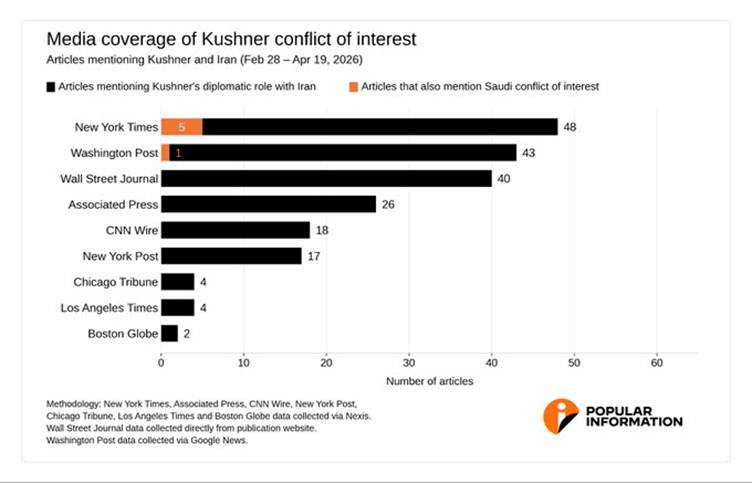
Take Kushner. Trump’s son-in-law A lobbyist for Israel. A key figure behind the Abraham Accords. And also a wealthy real estate guy.
He has no official government role, no Senate confirmation, no security clearance—yet he consistently appears in high-level diplomatic missions. His firm receives billions from Saudi Arabia, while he simultaneously plays a central role in Middle East “peace” negotiations.
Conflict of interest? That’s putting it mildly.
Then there’s Steve Witkoff—another real estate figure—also acting as a special envoy.
So essentially, Trump is sending businessmen—with deep financial interests in the region—to build peace.
What could possibly go wrong?
The Business Model of Peace
The BoP even includes the World Bank—an institution that is supposed to follow international law, not act as a private investment vehicle.
Yet here we are.
So we can already see the kakistocracy of the Trump administration governing international order.
The architects of this “peace” are bankers, investors, property developers. So, it’s no surprise when Kushner unveils a $30 billion plan to turn Gaza into a “Trump Riviera.”
I mean, you give the responsibility of peace to hotel owners — of course they will turn Gaza into a resort city. What do you expect?
And it doesn’t stop there. Plans and blueprints are already being marketed, promising massive returns.
The Board of Peace is not just a geopolitical structure. It’s a vertically integrated business model.
And the irony?
Gazans haven’t even finished licking their wounds.
The Security Game
It gets even better. The BoP ensures “security” through military forces funded by its own members.
So let’s break this down:
You have an asset (that isn’t really yours).
You hire security.
Then you make the security pay you to protect that asset.
Enter the International Stabilization Force (ISF), led by a US Major General tied to SOCOM—the same command behind Navy SEALs, Delta Force, and Army Rangers.
And here’s the key point:
He doesn’t report to the UN.
He reports directly to the Board of Peace.
Mission objectives?
- Clear tunnels
- Demilitarize Gaza
- Establish “terror-free zones”
Because, of course, you need a clean, stable investment environment.
Replacing the UN
Trump even suggested that the BoP could replace the UN.
- The UN debates — the Board acts
- The UN can be vetoed — the Board decides
- The UN manages bureaucracy — the Board deploys troops
but then, yeah we know how frustrated we are about the global political landscape, how every nation were forced to calculate its own risk and collateral. So in many cases, join the BoP is one way of avoiding getting bullied. Even at the cost of moral clarity.
Reality Check
Some argue:
“We can influence the BoP from within.”
But really?
Let’s look at the timeline.
- January 3, 2026: The US attacks Venezuela and captures Maduro
- January 22, 2026: The BoP charter is signed
So, within the same month—after violating a sovereign nation—26 countries still decide:
“Yeah, this is the guy we trust to lead global peace.”
Some even paid billions to prove that trust.
And what happens next?
By February—on Easter, no less—Trump launches an attack on Iran.
So much for peace.
Blowback
The consequences hit fast—especially for Gulf countries. Suddenly, we can see after the GCC faced the consequences of Trump attack on Iran, they started questioning the position of military bases in their regions. Those bases invites attack not ensuring defence and protections.
Abd Khalak Abdulla the UAE analyst said The UAE no longer needs America to defend it as it has proven during the Iranian aggression that it is capable of defending itself with distinction. What the UAE needs is to acquire only the best and latest weapons that America. The New York times said: the uncomfortable realization that Israel appears to have more influence over Mr. Trump’s decisions than Gulf leaders do has reverberated through Gulf royal courts analysts said. Wallstreet journal: UAE ask US to ensure wartime financial lifeline. you cause this war you should give us money. They even say that they could possibly be forced to use yen instead of petrodollar. Of course, its implicit threat, they are built on dollar. They could literally crumble if they changed the currency for transaction. But it is a cry for help.
Iran has also acted in ways that challenge the assumption that normalization with Israel guarantees security for GCC states under the U.S. umbrella. Its actions highlight a recurring pattern: in moments of crisis, U.S. strategic priorities tend to align closely with Israel, sometimes at the expense of broader regional partners or even the US itself. For Gulf states, this raises doubts about whether normalization truly translates into reliable protection—or merely deeper entanglement in conflicts shaped primarily by U.S.–Israel interests.
And it is felt in all GCC. that this war forced them to evaluate their long term plan, let alone the legitimacy of BoP right now. How can you entrust the peace building to the people that love war so much?
Unstable Leadership
Look at how the US-Iran conflict unfolded.
One day Trump says A.
Next day he says B.
Then a tweet contradicts both.
At some point, even his own supporters start trusting external sources more than his statements.
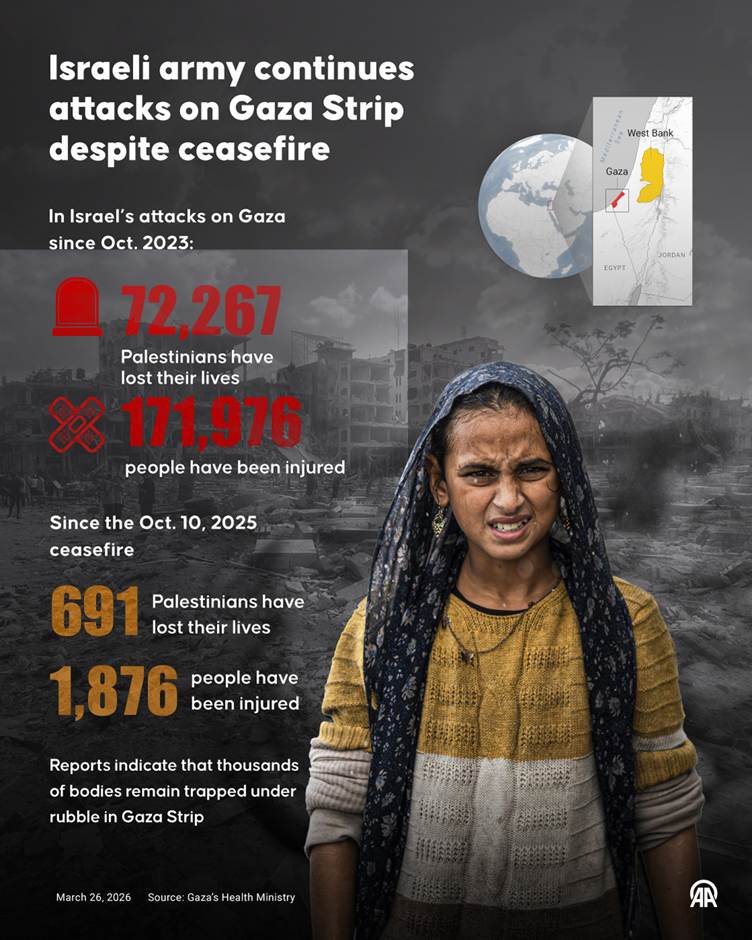
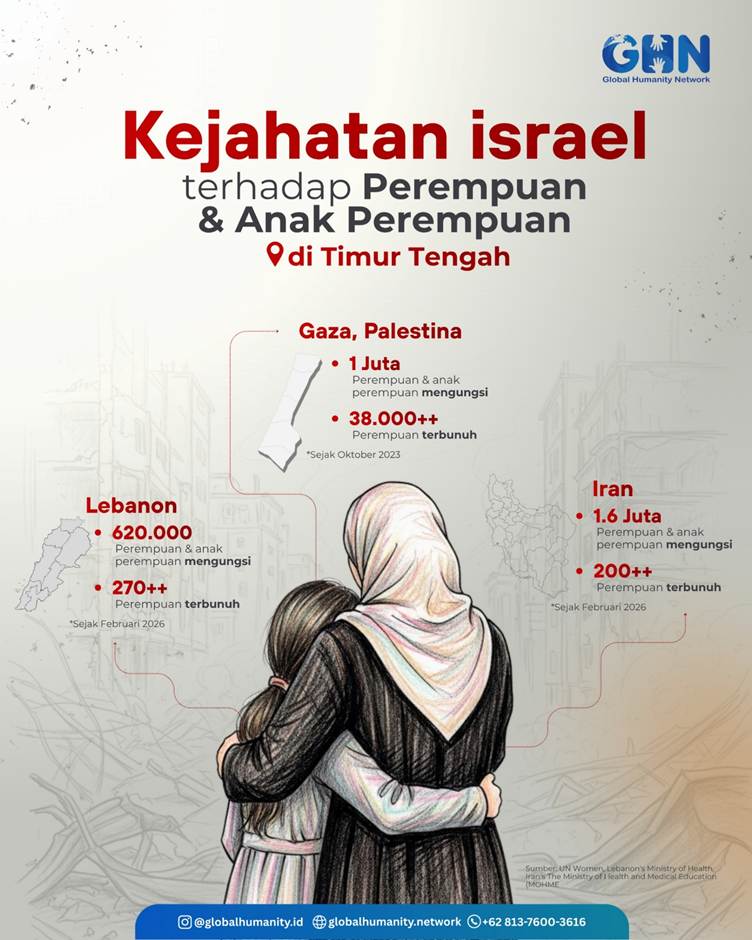
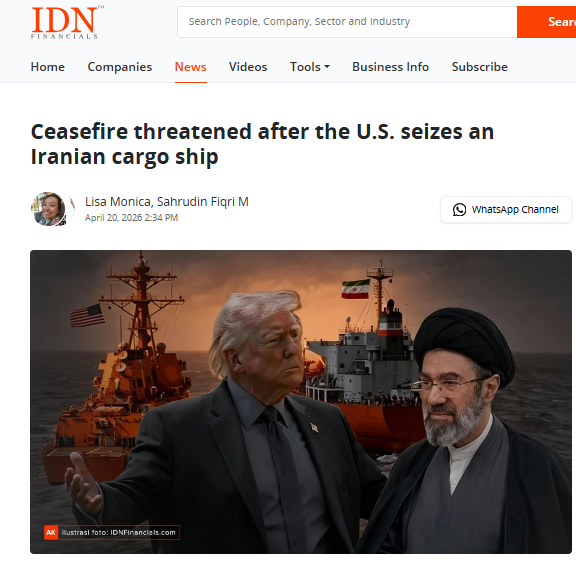
And when they talk about “ceasefire,” we already know what that means: A one-way ceasefire. Everyone stops—except the US and Israel.
From Experts to Businessmen
Compare this to the Iran nuclear deal (JCPOA). It took years to establish. Obama at the time sent Ernest Moniz (a nuclear physicist from MIT) as secretary of energy to negotiate with iran. And now trump sent real estate agent for negotiation. Now? Real estate developers are negotiating geopolitical conflicts. That alone says everything.
At this point, the Board of Peace is only as credible as Trump’s ability to present it—and himself.
Does BoP Actually Work?
Let’s test it:
- Does it protect civilians?
- Does it uphold international law?
- Does it prevent territorial expansion?
- Does it ensure accountability?
- Does it address root causes?
From humanitarian field experience—especially dealing with aid into Gaza—the reality is grim. BoP allows Israel to have 100% of what in and out of Gaza. Take baby formula for example. They allow only different brand each phase. So nursing mothers will have to change the brand for their babies every other weeks. And that is not healthy. Israel make the list of goods enter Gaza almost all only Israeli goods, and we knew there were reports of drug being insert to flour, or any other hazard product etc. Many questions came from people for humanitarian NGOs; why some brand consumed in Gaza were the brands we boycott. Well the Gazans do not have our previlage of choice. If we boycott one coffee brand, we still have Tuku or Kopi Kenangan to order our take-away. Gazans don’t have that luxury.
What Peace Should Be
Peacebuilding should start with victims—not investors. the process of peacebuilding should ensure that the Palestinian not be monitored and guarded, limited mobility, buffer zones getting wider and wider, the peace building and reconstruction should start with taking care of the victims, and also accountability. Gaza is a crime scene. You investigate it—you don’t bulldoze it for beachfront property. We need the evidence to be collected not buried under the luxurious hotels.
the plan to rebuild houses without the plan to rebuild the right of the people, is just another plan for war. and prolong hatred for generations to come
So… What Now?
So the big question is? What the solution? what do we see in the future of Palestine / Israel?
- A post-apartheid model like South Africa?
- A prolonged conflict like India–Pakistan?
- Will Al-Quds become the next Kashmir?
Honestly—I don’t know, sure I wanted see the post-apartheid state of Palestine. Like in south Africa. But also, I cannot see it without acknowledging the resistance. And accountability for the crime. And unfortunately, the Israel itself make it very very difficult to achieve this. The impunity, the racist system, its going to be a challenge to create a county with equal rights for all. And there is no way that they will agree to 2 states solutions, with al-Quds being in the middle to be torn apart.
References
Resolution 2803 (2025) dopted by the Security Council at its 10046th meeting, on 17 November 2025
https://twitter.com/JuddLegum/status/2046211540106297737/photo/1
https://www.instagram.com/p/DXZNtR_jnxc/?igsh=Z3J5YWUyaGR2d2k1
https://www.aa.com.tr/en/info/infographic/51061
https://www.nytimes.com/2026/04/19/world/middleeast/qatar-iran-us-war.html
https://www.wsj.com/world/middle-east/u-a-e-asks-u-s-for-a-wartime-financial-lifeline-3f9ea3a0
From economy of occupation to economy of genocide Report of the Special Rapporteur on the situation of human rights in the Palestinian territories occupied since 1967, Francesca Albanese